Tree & surroundings
State the number of trees, approximate size if known and the surrounding buildings, boundaries and planting. Do not climb or approach unsafe trees for photographs.
Explore BSL
Building Services London
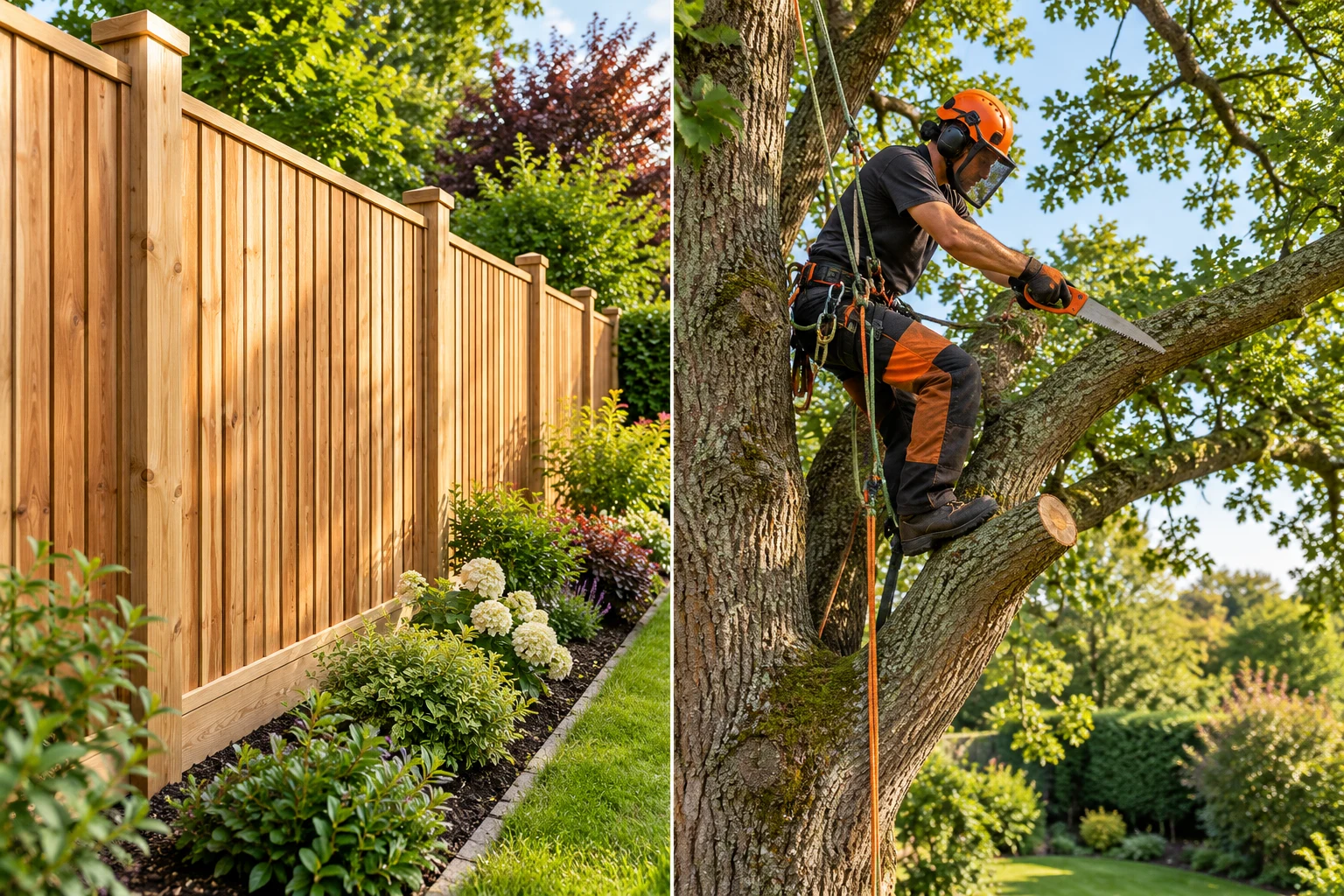
Tree surgery enquiries in London for residential gardens and commercial outdoor spaces. Start with the tree location, the reason for the enquiry and access to the site.
Your project
Explain what has prompted the enquiry rather than selecting a treatment in advance. You may be concerned about the relationship with a building, the space around a tree or its visible condition. Photographs from a safe position and any existing professional information can help communicate the starting point.
Scope & specification
State the number of trees, approximate size if known and the surrounding buildings, boundaries and planting. Do not climb or approach unsafe trees for photographs.
Describe the route into the site and what needs to remain accessible. Confirm waste removal and whether any additional clearance is part of the enquiry.
Share available reports, ownership information and known restrictions. The suitability of the proposed work needs to be assessed for the actual tree.
Before work is agreed
Check with the responsible local authority whether a tree is protected or within a conservation area before agreeing work. Protection and notification requirements are property-specific. Confirm the specialist competence, permissions and scope needed for the task before appointment. Share any existing assessment when you enquire.
Describe the result you want, any preferred timing and which parts of the property will remain in use. Free quotations are available. Ask for the agreed inclusions, exclusions and relevant guarantee terms in writing.
London coverage
BSL welcomes tree surgery enquiries across North, East, South and West London. Include your full postcode so the location and practical scope can be confirmed. You can call 020 3553 2214 or email [email protected].
Planning the work
Your reason for seeking advice is a useful starting point. Explain the location of the tree and the concern or proposed improvement that prompted the enquiry. The relationship with a garden, building, boundary or access route can help communicate the situation. Where an existing professional report is available, share it rather than reducing its findings to a suggested treatment or a short description.
Record what is around the tree as well as the tree itself. Nearby structures, neighbouring land, parked vehicles and the route into the site can be relevant to assessing a proposal. Photographs from a safe location help show those relationships. Do not attempt to measure inaccessible parts or approach an area you believe is unsafe simply to prepare an enquiry.
Keep the work proposal, ownership information and relevant local-authority checks distinct. An intention to improve a garden does not establish which tree work is appropriate or permitted. Ask how the specific scope will be assessed, who is responsible for any necessary applications or notifications, and what is included in clearance. These points should be understood before any work is authorised.
Questions answered
A photograph helps describe the enquiry but does not replace a suitable assessment. The proposed work, access and any relevant permissions need to be established.
Provide the postcode, location of the tree and photographs taken from a safe position. Describe the concern and any information you already have without trying to identify a treatment yourself. Approximate size and the surrounding features are useful if known. The appropriate assessment can establish what further information is needed for the proposal.
That should be stated in the proposed scope. Ask what material will be removed, whether anything remains on site and how the access route will be left. If your enquiry includes other garden clearance, list it separately. Clear boundaries help distinguish the agreed tree work from additional landscaping or waste-removal tasks.
Yes. Explain where the tree stands, the boundary relationship and any ownership information you hold. Mention neighbouring access that may be relevant. The enquiry does not itself establish ownership, permission or an appropriate treatment. Those matters need to be clarified for the actual site before the proposed work and practical arrangements are agreed.
Include the trees and retained planting at the beginning of the garden brief. Share available assessments and explain the intended layout or changes around them. Tree-related decisions may affect the wider proposal, so keep their assessment and permissions clear. Fencing, surfacing and planting should remain separately identifiable within the overall quotation.
Share the relevant report, its date and any recommendations, together with the property location and the reason for your enquiry. Keep the original wording available so technical findings are not lost in a summary. Ask how the proposed scope relates to that information and what further assessment or permissions need to be addressed before work is agreed.
Yes, but describe it separately from the tree work. Identify retained planting, fencing, structures and areas you want cleared, as well as the route for removing material. This helps distinguish specialist tree tasks from general clearance or landscaping. The quotation should make the boundaries, waste handling and any reinstatement clear for each part of the project.
Free quotations
From a single improvement to a larger refurbishment, start with your postcode and a few words about the work.
Email us: [email protected]